Harsha Vadlamani

  • Projects
    • Heavy Lies the Grain
    • Battling the Wave
    • Dialogues with the Dead
    • Chalo Dilli
    • Waters Close Over Us
    • Parched
    • The Muria isn’t Home
    • For a Handful of Stardust
  • NGO/Non-Profit
  • Portraits
  • Commissioned
    • Black Baza Coffee
    • Facebook
    • YouTube India
    • KRSMA Vineyards
  • Tearsheets
  • Bio/Contact
Follow Harsha Vadlamani on Instagram
Harsha Vadlamani Photojournalist, Documentary Photographer and Filmmaker in India
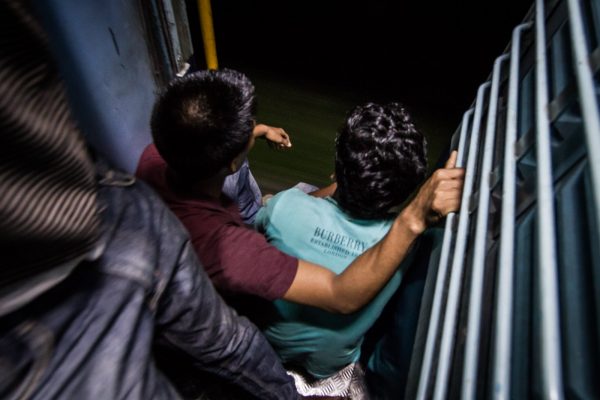
Worried by rumours of attacks on Assamese working in other parts of India, many headed back to their hometowns in Assam. On board the Falaknuma Express heading to Kolkata from Hyderabad, many travelled unreserved in crowded coaches, even if it meant standing throughtout the 30-hour journey.
Harsha Vadlamani Photojournalist, Documentary Photographer and Filmmaker in India
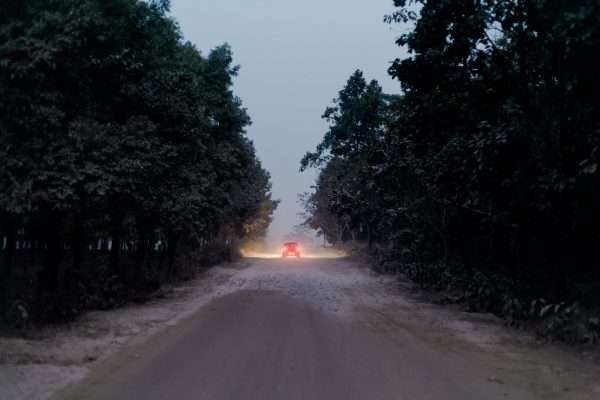
The road from Dotma to Kokrajhar, Assam.
Harsha Vadlamani Photojournalist, Documentary Photographer and Filmmaker in India
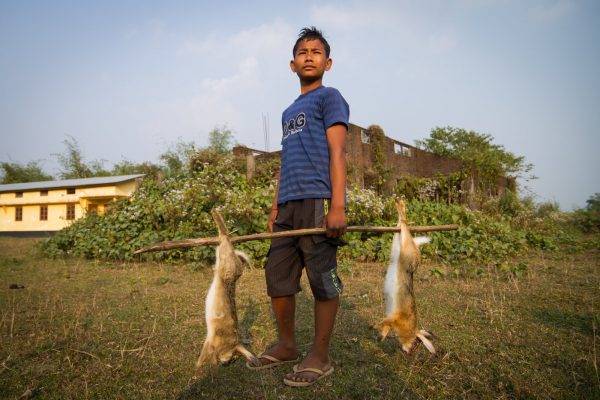
A Bodo boy with wild rabbits caught during a hunt at Geolong Bazar in Kokrajhar, Assam.
Harsha Vadlamani Photojournalist, Documentary Photographer and Filmmaker in India
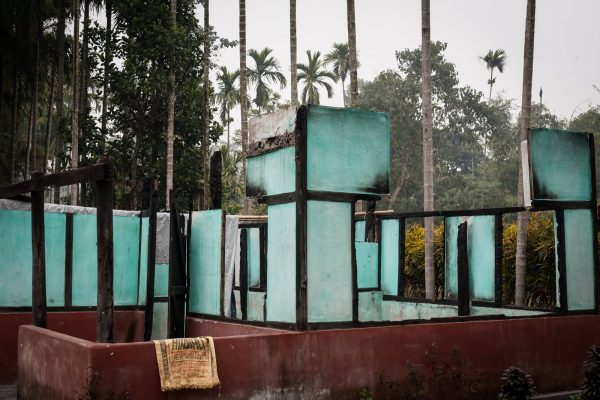
A burnt house that belonged to a Bodo family at Tulshibil in Kokrajhar, Assam.
Harsha Vadlamani Photojournalist, Documentary Photographer and Filmmaker in India
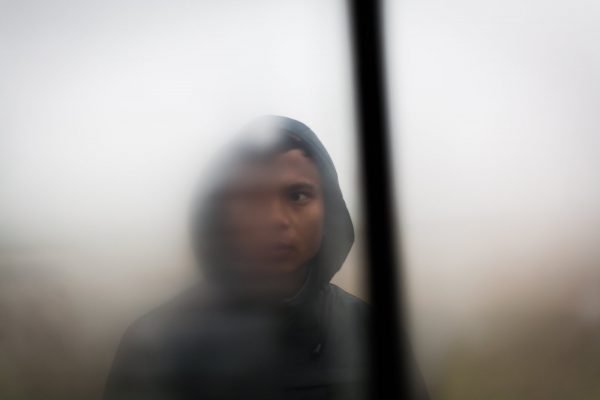
A Bodo villager at Bhawraguri in Kokrajhar, Assam.
Harsha Vadlamani Photojournalist, Documentary Photographer and Filmmaker in India
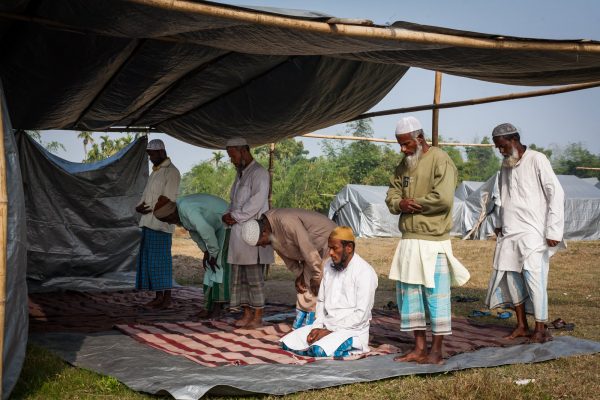
Residents of the Dotma Relief Camp offer their afternoon prayers at a makeshift mosque inside the camp.
Harsha Vadlamani Photojournalist, Documentary Photographer and Filmmaker in India
A National Democratic Front of Bodoland (Progressive) militant at the peace camp in Serfanguri.
Harsha Vadlamani Photojournalist, Documentary Photographer and Filmmaker in India
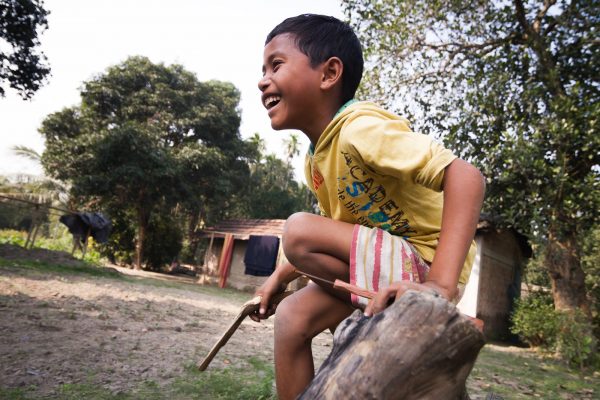
A child plays with a wooden gun in Aminkhata, Kokrajhar, Assam.
Harsha Vadlamani Photojournalist, Documentary Photographer and Filmmaker in India
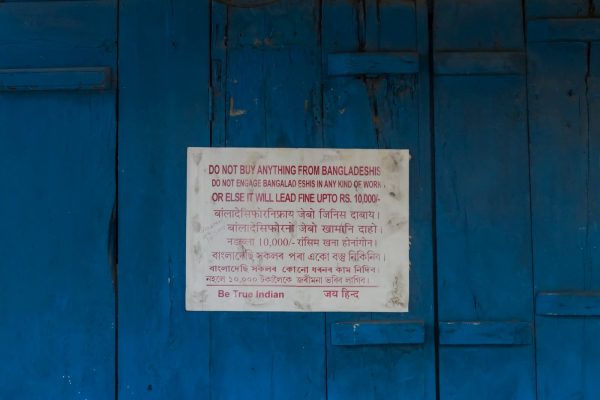
A poster put up on the doors of a shop in Bazaar Road, Kokrajhar, Assam warns locals against buying from or engaging Bangladeshi migrants in any kind of work.
Harsha Vadlamani Photojournalist, Documentary Photographer and Filmmaker in India
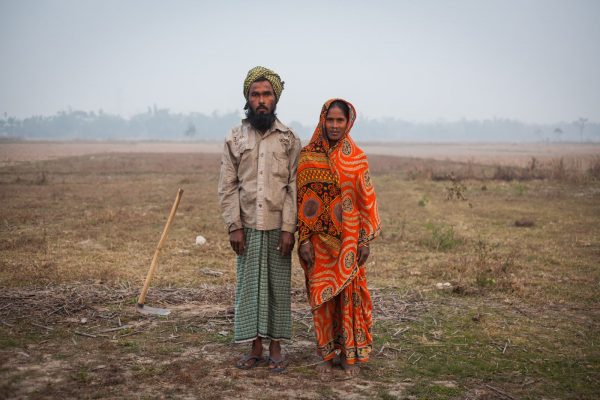
Ehfaz Ali and Zarin Bibi at the site where their house once stood in Nothunpara, Kokrajhar, Assam.
Harsha Vadlamani Photojournalist, Documentary Photographer and Filmmaker in India
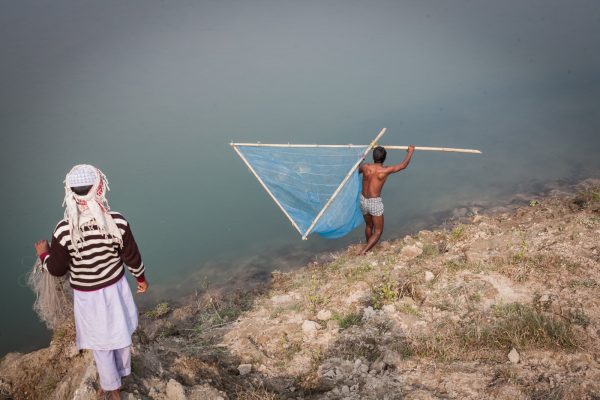
Mohammed Ghiasuddin goes fishing in the Guruphela near Kurashakati, Kokrajhar, Assam while his son watches on.
Harsha Vadlamani Photojournalist, Documentary Photographer and Filmmaker in India
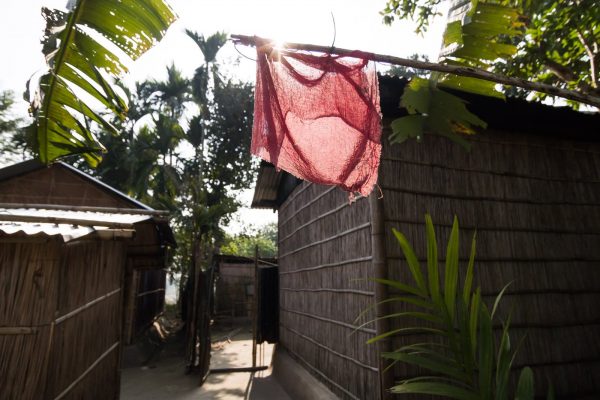
A red flag outside a house serves as a sign of presence of Bodo families in a Bodo-majority neighbourhood in Bhowraguri, Kokrajhar, Assam.
Harsha Vadlamani Photojournalist, Documentary Photographer and Filmmaker in India
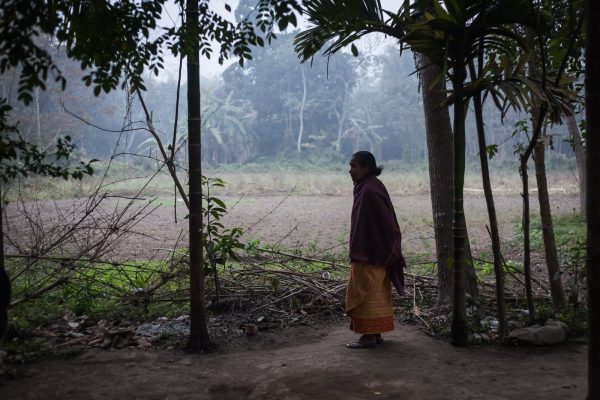
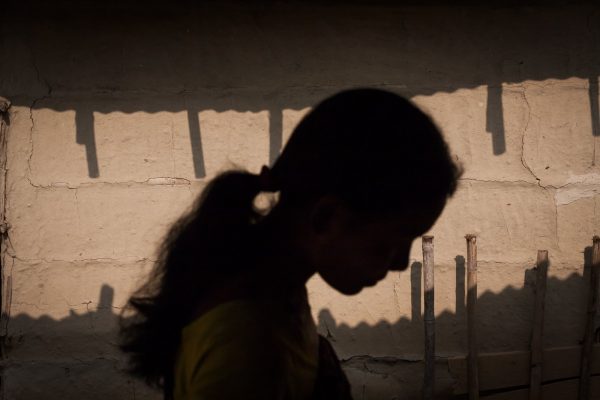
A Bodo woman outside her house in Tulshibil, Kokrajhar, Assam.
Harsha Vadlamani Photojournalist, Documentary Photographer and Filmmaker in India
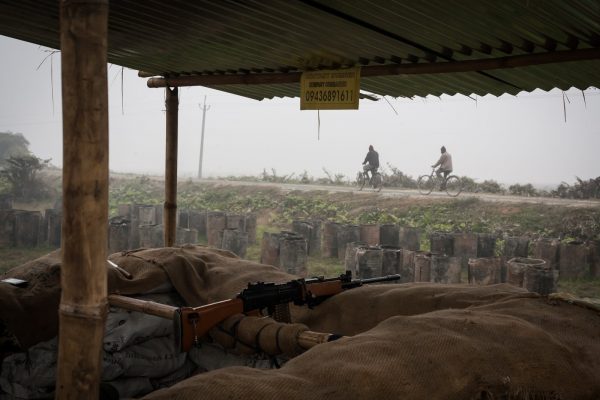
A Central Reserve Police Force (CRPF) camp at Tulshibil, Kokrajhar, Assam. Delayed intervention by the central forces is thought to be one of the reasons for large scale violence during the riots.
Harsha Vadlamani Photojournalist, Documentary Photographer and Filmmaker in India
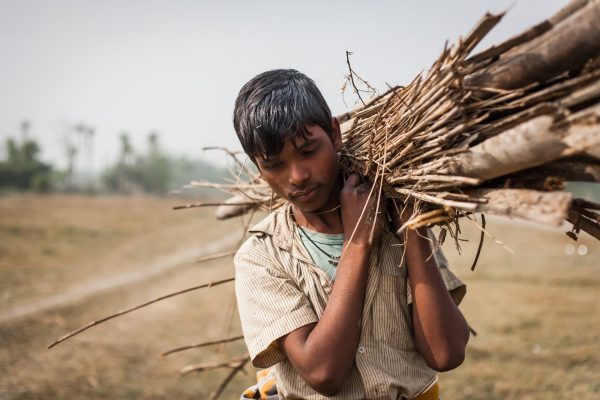
A young Bengali Muslim fetches firewood at the Dotma relief camp in Kokrajhar, Assam.
Harsha Vadlamani Photojournalist, Documentary Photographer and Filmmaker in India
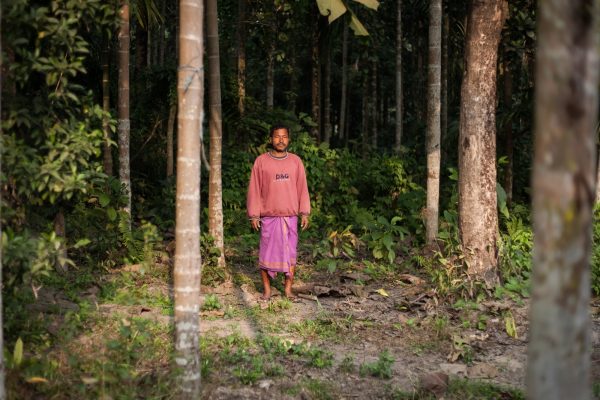
Bodyonath Mushahary in a grove owned by his family in Tulshibil, Kokrajhar, Assam. Fleeing the village while under attack by Bengali Muslims, Bodyonath forgot to take his mother along. He returned eight days later with police escort, only to find her a part of her badly mutilated body lying in the fields.
Harsha Vadlamani Photojournalist, Documentary Photographer and Filmmaker in India
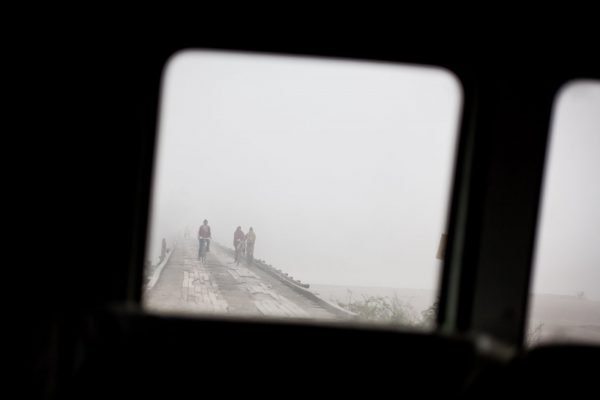
Locals cross a wooden bridge across the Guruphela river between Bhawraguri and Tulshibil in Kokrajhar, Assam.
Harsha Vadlamani Photojournalist, Documentary Photographer and Filmmaker in India
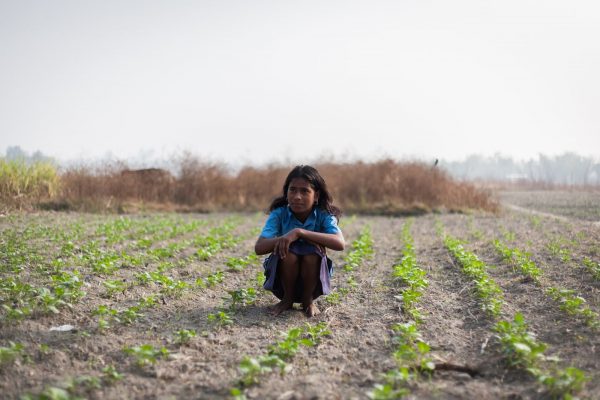
Munni from Kurshakati, Kokrajhar, Assam warms herself in the afternoon sun at the small potatao farm owned by her family.
Harsha Vadlamani Photojournalist, Documentary Photographer and Filmmaker in India
A Bodo woman in her house at Malgaon, Dhubri, Assam.
Harsha Vadlamani Photojournalist, Documentary Photographer and Filmmaker in India
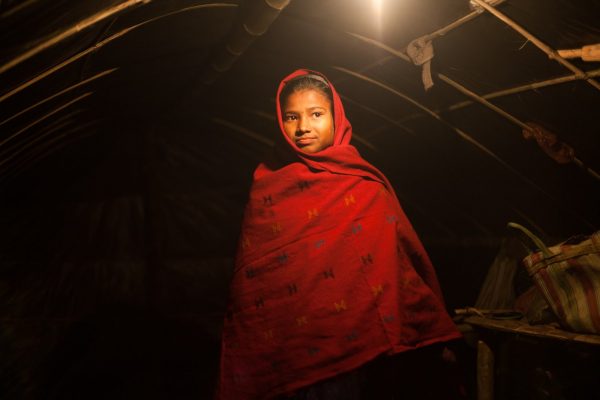
A Bengali Muslim girl inside a temporary shelter at Kurshakati in Kokrajhar, Assam.
Harsha Vadlamani Photojournalist, Documentary Photographer and Filmmaker in India
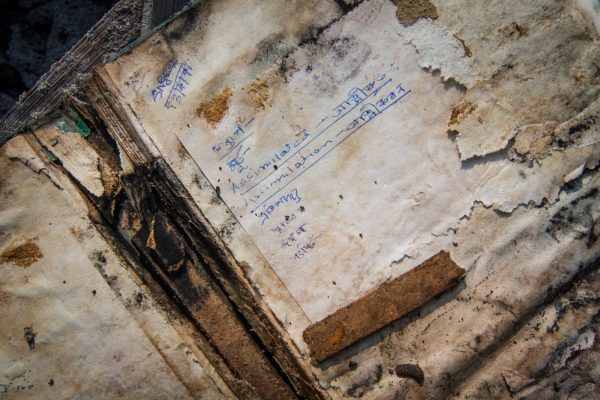
Assamese translations for Assimilated and Assimilation. Half-burnt diary from a destroyed Bodo house, Bhowarguri, Kokrajhar, Assam.
Harsha Vadlamani Photojournalist, Documentary Photographer and Filmmaker in India
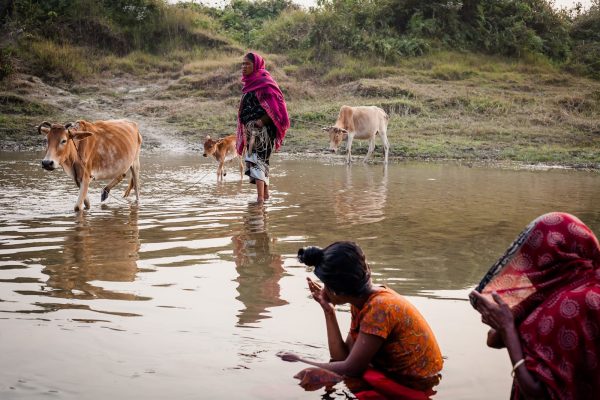
A Bengali Muslim woman herds her cattle back across the Guruphela near Kurshakati, Kokrajhar, Assam.
Harsha Vadlamani Photojournalist, Documentary Photographer and Filmmaker in India
Ranu Basumatary inside her newly reconstructed house at Tulshibil, Kokrajhar, Assam.
Harsha Vadlamani Photojournalist, Documentary Photographer and Filmmaker in India
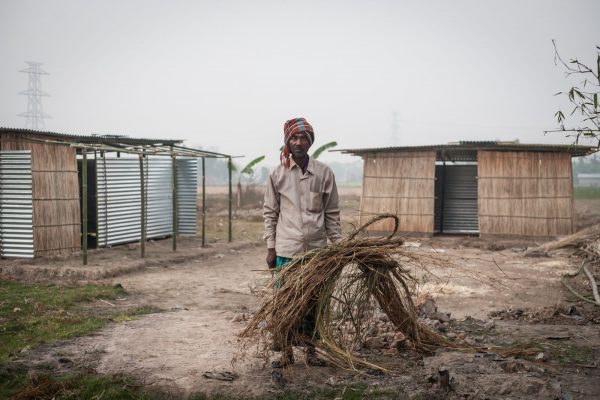
Zuram Ali gathers materials needed to rebuild his destroyed house in Kurshakati, Kokrajhar, Assam.

Harsha Vadlamani is a photojournalist, filmmaker, and National Geographic Explorer based between New Delhi and Hyderabad, India. He is represented by Panos Pictures and was a recipient of Amnesty International UK’s Media Award for Photojournalism in 2022 for his photographs of the COVID-19 pandemic in rural India.

Email: [email protected]
Mobile: +91-801-952-9496